
Too open to abuse? - An early review of the County Championship replacement player trial
18.04.26, 09:00 Updated 19.04.26, 09:24 5 Minute Read
Ben Carter
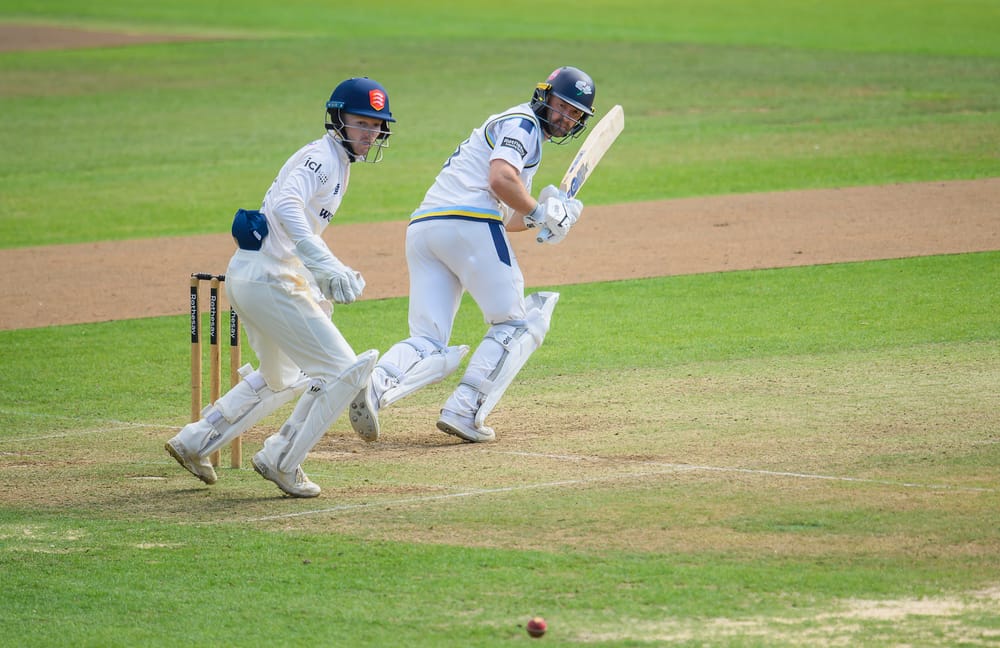
After just two rounds of the 2026 County Championship season, the new injury replacement rule has been utilised eight times. Yorkshire have benefited most from the introduction of this new law, using three injury subs across their first two matches.
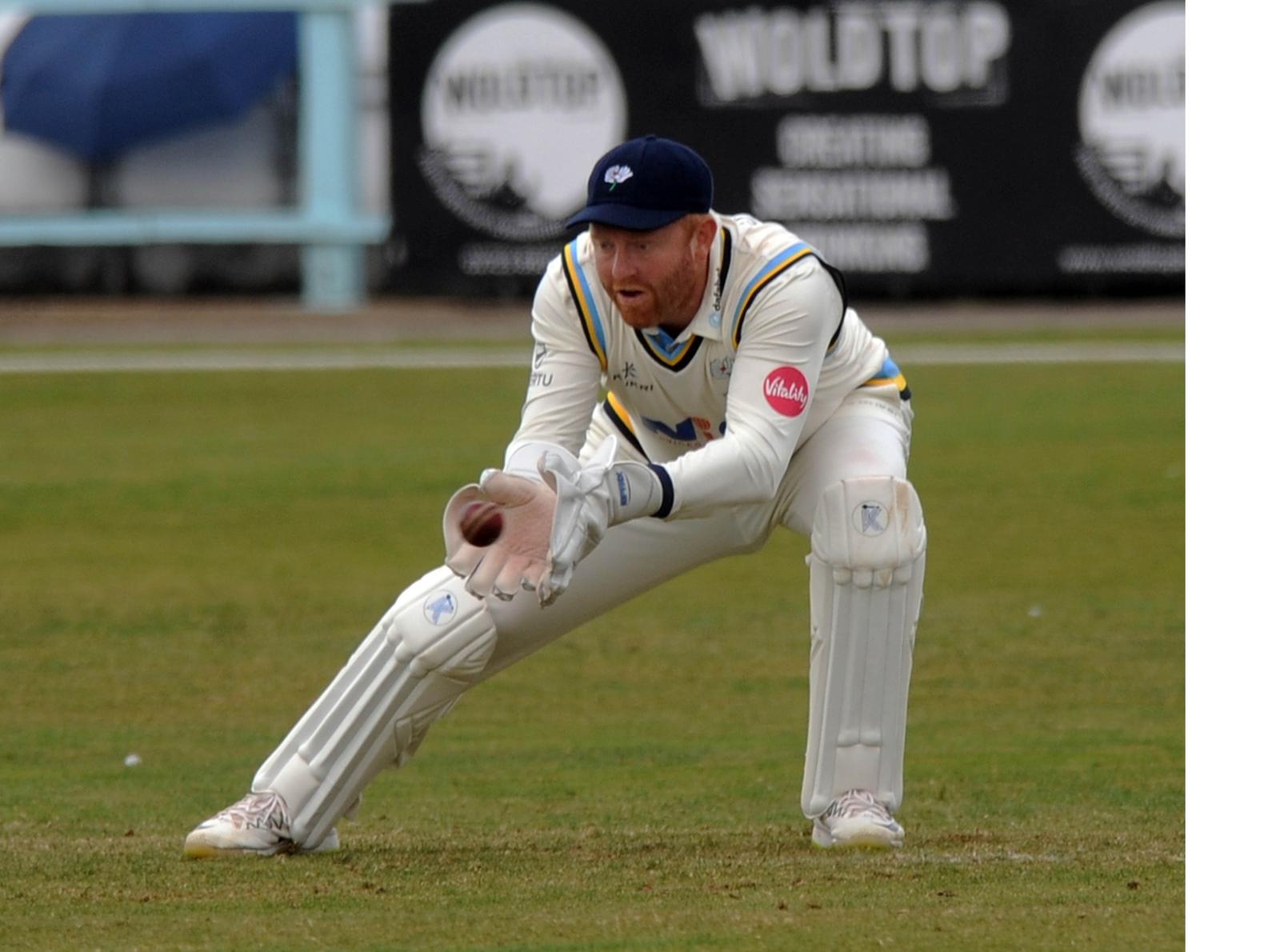
In their season opener against Glamorgan, Will Luxton replaced Jonny Bairstow as a result of a thumb injury sustained by the Yorkshire skipper. In their home tie against Hampshire, Jhye Richardson and Jack White were replaced by Logan van Beek and Ben Cliff respectively, both on illness grounds (food poisoning).
The England and Wales Cricket Board (ECB) is trialling this new system, allowing for replacement players, during the 2026 County Championship. This is due to a request from the ICC for governing bodies to trial systems that enable replacement players to be used. The rule, which previously only covered players ruled out with concussion or who are called up for international duty, has been expanded to include injury, illness and significant life events, such as bereavements or the birth of a child.
Whilst there are arguments to be said that this will benefit player welfare, which is listed as a primary aim of the trial by the ECB, there are likewise also arguments that suggest the introduction of these rules may actually be detrimental to player welfare. However, after the first two rounds of this trial the primary concern regards whether the laws are open to abuse.
Although the ECB has imposed a number of safeguards designed to prevent situations in which the replacement system is easily abused, these may be too lenient. Furthermore, the ECB has announced that the rules will only be changed after the first block of six fixtures.


This gives counties the potential to use the laws in their current implementation for a further four games and could have a significant impact on the outcome of this year’s County Championship. The Division One title, relegation and Division Two promotion could be substantially influenced by the mis-use of replacement players.
The safeguards that the ECB have set out include that the chief medical officers of both teams will have to sign off on the use of a replacement player, any player that is replaced will not be eligible to play in the following eight days regardless of the competition, and the replacement players must be like for like. There is no cut-off point in a game for making replacements, and counties can make as many replacements as they like.
Already the opening rounds have exposed a number of problems with these safeguards that suggest they are not up to scratch.
The most obvious problem is the frequency of such injury subs. In their initial guidance, the ECB outlined that they expect “one or two replacement players [to] take the field per round”, and cite the example of the Sheffield Shield, which saw replacement players used in “around 25 per cent of matches”. However, there has been on average four replacement players per round, which has been used in nearly 28 per cent of matches (although in three of the five matches in which the rule has been used it has been used twice).
This is admittedly a very small sample size and such statistics will prove far more valuable once they are extrapolated over the season. Nevertheless, it paints a worrying picture with the frequent use of replacements indicating a system that is far too lenient and open to abuse.
It must also be noted that as the season progresses the likelihood of injury increases as players workloads naturally increase and, with 75 per cent of the replacements so far being on grounds of injury, the number of injury-based replacements would be expected to increase, rather than decrease.
The fact that replacements are to be signed off by the match referee and medical staff from both counties also seems to be problematic. As the pursuit of player welfare is a primary goal of such regulations then this would imply that anyone who refuses to sign off a replacement would be impeding the welfare of a player.
Primarily, this would indicate that it will not be challenging for a side to get a replacement signed off, which is evidenced by the high usage of the replacement protocol already. Medical professionals who do not sign off a replacement may also allow themselves to be subject to scrutiny, criticism and even negligence, if they refuse a player to be substituted and they subsequently suffer an injury.
Furthermore, there may be an unwritten rule between county staff that all replacements will be signed off. Nottinghamshire replaced seamer Fergus O’Neill with Lyndon James on the final day, essentially bringing a fresh pair of legs into their bowling attack, who took two wickets as Nottinghamshire defeated Glamorgan.
Glamorgan skipper Kiran Carlson recognised the “advantage” this brought Nottinghamshire, yet also stated that they would have done the “exact same thing”, although he later accepted that the rules must be “ironed out”. This suggests the potential for such a principle to become an established practice if the ECB does not take steps to tighten the protocols.
The like for like requirement for injury subs must also be reviewed. After wicketkeeper Bairstow sustained an injury to his thumb he was replaced by Luxton as a like for like replacement, but the 22 year-old does not keep wicket.
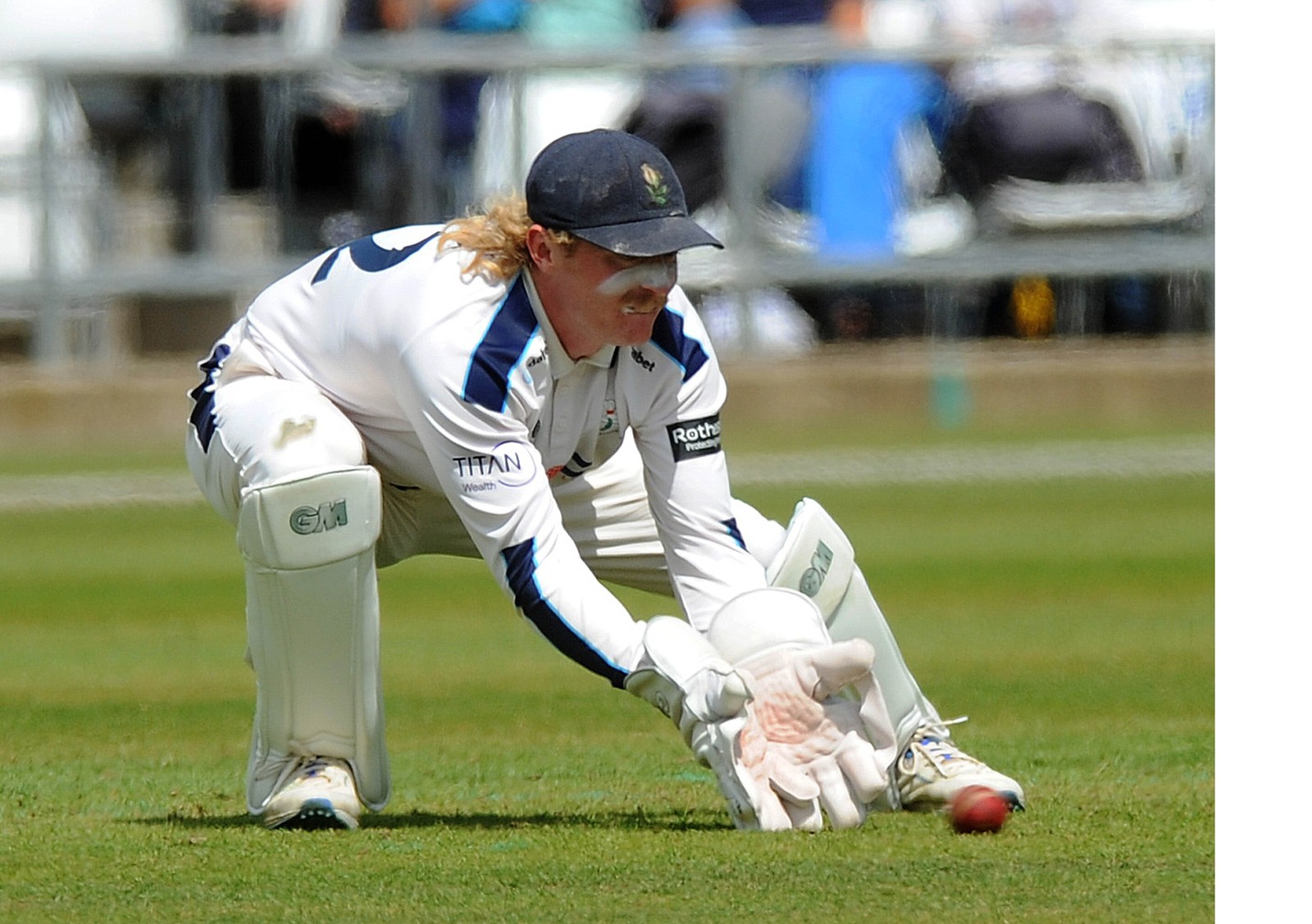

Against Hampshire with Bairstow serving his suspension, Harry Duke, a specialist keeper, was named in the starting eleven rather than Luxton, highlighting how Yorkshire chose to maximise the replacement rule by selecting the stronger batter and making do with Finley Beans’ glovework due to the advanced nature of the game. Luxton was clearly not a like for like replacement, and so this is a further example of the current laws being open to mis-use.
Another problematic aspect of the replacement laws is the seven day stand down . It is intended that a replaced player having to serve a suspension period will be a strong enough deterrent to ensure that the replacement system is used appropriately.
For example, Yorkshire have a bye week in round three and so the aforementioned substituted duo, Richardson and White, will be able to feature when the White Rose face Sussex on April 24th. If the law instead mandated a one or two game compulsory cooling-off period then Yorkshire may have opted not to make the replacements.
To conclude, in its current system the new player replacement laws are too open to abuse which has already led to and is likely to lead to further detrimental effects across the County Championship. Unless the rules are changed imminently then the domestic county season risks becoming a farce, as counties mis-use the rules to manipulate games in their favour.
Editor comment– Some strong views there from Ben Carter, a new name on WRF. I agree that the current situation is open to being abused and that it does need scrutinising but I’d be happy for it to continue being trialled until the end of the first half dozen rounds.
As someone who follows Yorkshire in the media, I do know that neither Jhye Richardson nor Jack White were in any way fit to take the field once their food poisoning issues surfaced in last week’s match against Hampshire.
Unusual as that was, that’s what the system was brought in for. It was genuine. I really don’t think Yorkshire would have wanted to continue without an Aussie Test international or one of its leading domestic bowlers from last season and feel like they were improving on that with those brought in.
Absolutely no disrespect to Logan van Beek who, you may recall, had been left out of the side for Richardson after round one or to Ben Cliff, who is easily the least experienced of the entire Yorkshire bowling squad to have appeared in first class cricket.
However, that doesn’t mean that others won’t try to ‘play’ the rule. I spoke to the match referee, Simon Hinks, who was at Cardiff during Yorkshire’s first match and was keen to remind that counties need to act with integrity and there should be some trust in them doing so. Time will tell.
Related Topics
Ben Carter